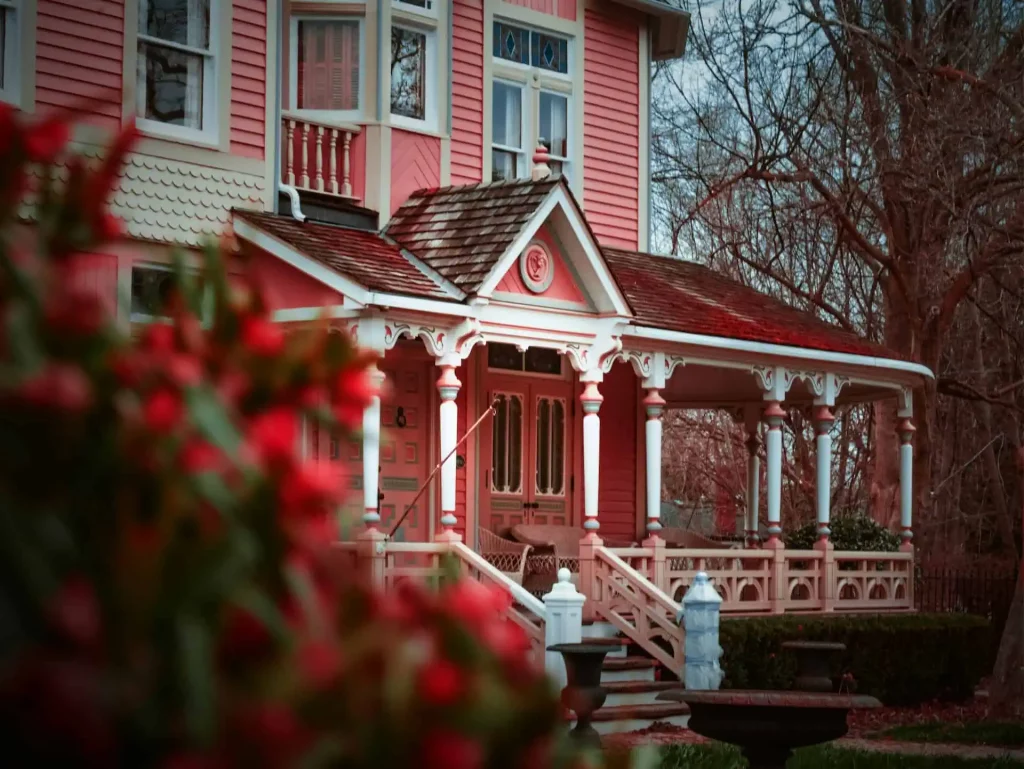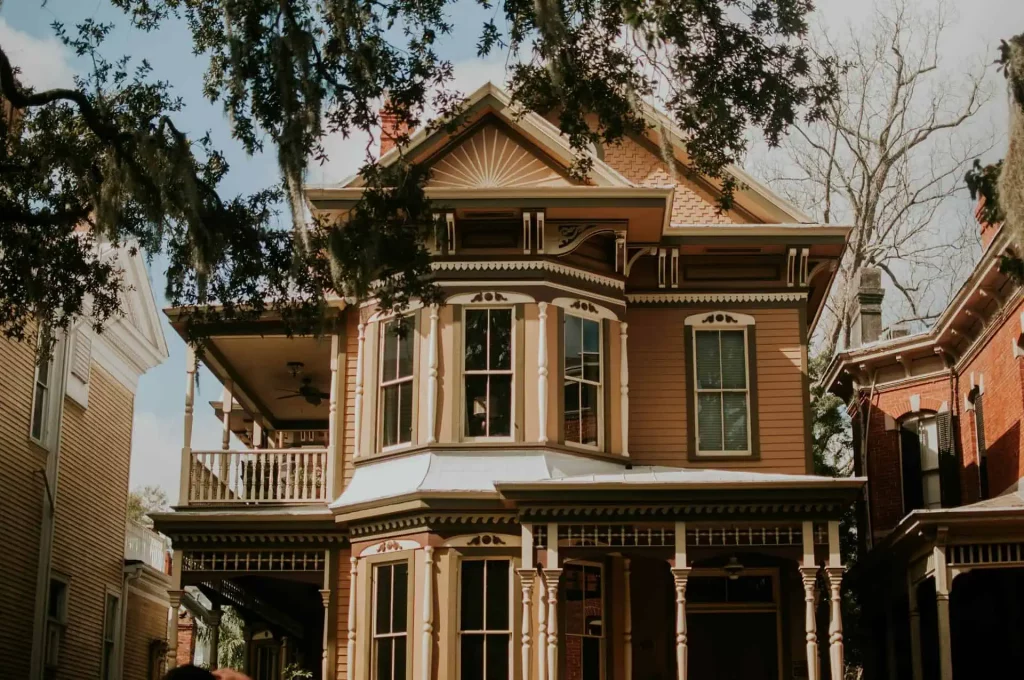
Toronto’s architectural heritage tells the story of our city—from Victorian mansions in Rosedale to Edwardian homes in the Annex, from century-old workers’ cottages in Leslieville to stately properties in Forest Hill. Restoring a heritage home in Toronto is both a privilege and a responsibility, offering homeowners the chance to preserve history while creating a functional living space for modern life.
However, heritage restoration comes with unique challenges, particularly when navigating Toronto’s complex permit requirements and heritage conservation regulations. At Rich by Design Inc., we’ve spent over 15 years specializing in heritage home restoration across the Greater Toronto Area, and we understand exactly what it takes to honor your home’s history while meeting all legal and structural requirements.
Understanding Heritage Designation in Toronto
Toronto has one of North America’s most comprehensive heritage protection frameworks, with over 9,000 properties on the City of Toronto Heritage Register and 27 designated Heritage Conservation Districts.
There are three main designation types:
1. Listed Properties (Non-Designated) Properties on the Heritage Register that aren’t designated have limited protection. Homeowners must provide the City with 60 days’ notice before demolition, allowing time for potential designation review. Listed properties don’t require heritage permits for alterations, but Heritage Impact Assessments may be required for significant development applications.
2. Part IV Designated Properties (Individual Designation) These properties are individually designated under the Ontario Heritage Act with bylaws registered on title describing their heritage attributes. Any exterior alterations affecting these attributes require a heritage permit, including changes to windows, doors, siding, roofing, porches, and even paint colors in some cases.
3. Part V Properties (Heritage Conservation Districts) Properties within Toronto’s Heritage Conservation Districts must follow district-specific plans and guidelines. These districts include prestigious neighborhoods like Cabbagetown, Rosedale (North and South), East Annex, Harbord Village, and Queen Street West—each with unique architectural character worth preserving.
Not sure about your property’s status? Check the Heritage Register Map or contact Rich by Design for a complimentary heritage designation review.
The Heritage Permit Process: What Toronto Homeowners Need to Know
Navigating Toronto’s heritage permit process can seem overwhelming, but understanding the requirements upfront saves time and prevents costly mistakes.
When Do You Need a Heritage Permit?
Heritage permits are required for:
- Exterior alterations to designated properties (painting, window replacement, roof changes, siding)
- Structural modifications affecting heritage attributes
- Additions or new construction on designated properties
- Demolition or partial demolition of designated structures
- Alterations within Heritage Conservation Districts (exterior work only)
Good news: Interior work typically doesn’t require heritage permits, though it must still comply with the Ontario Building Code.
The Application Process
According to the City of Toronto Heritage Permit Guide, the process involves:
1. Pre-Consultation (Optional but Recommended) Meeting with Heritage Planning staff before submitting your application can simplify the process significantly. Rich by Design regularly consults with City staff on behalf of our clients to ensure proposals align with heritage guidelines before formal submission.
2. Application Submission Required documentation includes:
- Completed heritage permit application form
- Detailed architectural drawings showing existing conditions and proposed changes
- Material specifications and samples
- Current photographs of affected areas
- Copy of property’s designation bylaw
- Written description of proposed work
3. Review Period Heritage Planning staff review applications for completeness. Once deemed complete, the City has 90 days to make a decision under the Ontario Heritage Act. Simple applications may be approved at the staff level within a week, while complex proposals requiring Council approval take longer.
4. Decision Applications can be:
- Approved as submitted
- Approved with conditions
- Refused (appealable to the Ontario Land Tribunal)
- Deemed approved if no decision is made within 90 days
There’s no fee for standalone heritage permits, though building permits required for structural work have separate fees.
Beyond Heritage Permits: Additional Toronto Requirements
Heritage restoration projects often require multiple approvals:
Building Permits
All structural repairs, additions, and major renovations require building permits from Toronto Building. Our team coordinates heritage and building permit applications simultaneously for efficient approval.
Committee of Adjustment
Variances to zoning bylaws (setbacks, height, lot coverage) may require Committee of Adjustment approval. This is common for additions on heritage properties in established neighborhoods.
Heritage Conservation District Residents Committees
For properties in HCDs, Heritage Planning may consult with local residents committees, which provide valuable neighborhood context and guidance.
Common Heritage Restoration Challenges in Toronto
Toronto’s heritage homes present unique renovation challenges:
1. Knob-and-Tube Electrical Systems
Most pre-1950 Toronto homes have outdated knob-and-tube wiring requiring complete replacement to meet current electrical codes. This adds cost but dramatically improves safety.
2. Cast Iron and Lead Plumbing
Heritage homes often have aging plumbing systems. We modernize these while preserving original fixtures where possible.
3. Structural Quirks
Century homes may have settling foundations, uneven floors, plaster walls, and non-standard framing that require experienced contractors familiar with heritage construction methods.
4. Energy Efficiency vs. Heritage Character
Balancing modern insulation, HVAC, and window efficiency with heritage aesthetics requires specialized knowledge. We use period-appropriate storm windows, hidden ductwork, and historically accurate materials that meet current code.
5. Asbestos and Lead Paint
Many heritage homes contain hazardous materials requiring professional abatement before renovation work begins.
Toronto Neighborhoods with Significant Heritage Properties
Our restoration work spans Toronto’s most historically significant neighborhoods:
- Cabbagetown: Victorian workers’ cottages and Second Empire homes
- Rosedale (North & South): Grand estates with Georgian, Tudor, and Edwardian architecture
- The Annex (East & West): Prestigious Victorian and Edwardian mansions
- Forest Hill: Stately homes with diverse architectural styles
- Yorkville/Hazelton Avenue: Luxury heritage properties in Toronto’s upscale district
- Harbord Village: Working-class Victorian homes with multicultural heritage
- High Park: Edwardian and early 20th-century residential architecture
- Queen Street West HCD: Mixed-use commercial heritage buildings
- The Beaches: Beach cottages and early 20th-century homes
Each neighborhood has distinct architectural character, and we tailor our restoration approach accordingly.
How Rich by Design Inc. Simplifies Heritage Restoration
With over 15 years of experience in Toronto heritage restoration, we provide comprehensive support:
✅ Expert Heritage Consultation
We assess your property, review heritage designation requirements, and develop restoration plans that honor historical character while meeting your functional needs. Our team understands what Heritage Planning looks for in applications.
✅ Complete Permit Management
From heritage permits to building permits and Committee of Adjustment variances, we handle all paperwork and coordinate with City departments. Our established relationships with Heritage Planning staff streamline approvals.
✅ Period-Appropriate Craftsmanship
Our in-house team includes skilled craftspeople experienced in heritage restoration techniques—from restoring original crown moldings and coffered ceilings to repairing century-old brickwork and replicating historical millwork.
✅ Code-Compliant Modern Upgrades
We seamlessly integrate modern systems (HVAC, electrical, plumbing, insulation) while preserving heritage aesthetics. Our projects pass Toronto Building inspections the first time.
✅ Specialized Heritage Services
- Original window restoration and reproduction
- Historical brick and masonry repair
- Period-appropriate siding and cladding
- Decorative plaster restoration
- Custom millwork matching historical profiles
- Foundation repairs respecting heritage construction
- Heritage-appropriate kitchen and bathroom renovations
Heritage Property Benefits
Beyond preserving Toronto’s architectural legacy, heritage property ownership offers advantages:
- Heritage Property Tax Rebates: Properties with designated status may qualify for 40-50% municipal tax rebates under Toronto’s Heritage Property Tax Rebate Program
- Heritage Grants: Funding available through Heritage Toronto and the City for exterior restoration work
- Property Value: Studies show heritage properties in Toronto’s HCDs maintain or increase value over time
- Community Pride: Contributing to neighborhood character and Toronto’s unique identity
Learn more about heritage incentives on the City of Toronto website.
Recent Changes to Ontario’s Heritage Regulations
Ontario’s Bill 23 (More Homes Built Faster Act) and Bill 97 modified the Ontario Heritage Act in 2023, affecting timelines and designation processes. However, these changes primarily impact municipal designation procedures rather than individual homeowner renovation applications. The heritage permit process for existing designated properties remains largely unchanged.
Stay informed about current regulations through the Ontario Heritage Trust.
Toronto Heritage Resources
City of Toronto Heritage Planning
Ontario Heritage Trust
- Phone: 437-246-9092
- Conservation Districts Information
Heritage Toronto
Why Choose Rich by Design for Your Heritage Restoration?
Heritage restoration isn’t just another renovation—it’s about honoring Toronto’s architectural history while creating beautiful, functional homes. Our approach combines:
- Deep Local Knowledge: 15+ years working with Toronto Heritage Planning and understanding neighborhood-specific requirements
- In-House Trades: Unlike contractors who subcontract everything, our carpentry, masonry, electrical, and plumbing teams work directly for Rich by Design, ensuring quality control and heritage-appropriate techniques
- Transparent Communication: We keep you informed throughout the permit process and construction, explaining decisions and options clearly
- Respect for History: We’re passionate about preserving Toronto’s architectural heritage and treat your home with the care it deserves
From basement renovations in Victorian homes to home additions that respect heritage character, we’ve successfully completed hundreds of heritage projects across Toronto and the GTA.
Let’s Restore Your Toronto Heritage Home
Ready to begin your heritage restoration journey? Contact Rich by Design Inc. for a complimentary consultation. We’ll visit your property, discuss your vision, review heritage requirements, and provide a detailed proposal outlining the restoration process, timeline, and investment.
Your heritage home has stood for decades or even a century—let’s ensure it stands beautifully for generations to come.
Get in touch today via the Contact page form
Call +1 (416) 565-1945
Email [email protected]